OUR APPROACH
About IE SafeSpace
IE SafeSpace helps clients make informed decisions about moisture, mold, indoor air quality, and related building conditions—without fear-driven conclusions or unnecessary testing.
See how we workWHY WE EXIST
The building and the person living in it belong in the same conversation.
Indoor environmental concerns can sit at the intersection of building science, health sensitivity, property history, and competing advice. Clients often arrive with fragments of information but no reliable way to decide what matters most.
Our role is to organize that uncertainty. We listen carefully, investigate the building, use testing only when it answers a defined question, and translate the evidence into practical priorities.
WHAT GUIDES THE WORK
Four commitments shape every engagement.
Begin with the human context
The concern, the occupants’ experience, and the decision they face help define the environmental question.
Follow the evidence
Observations, measurements, history, and laboratory information are evaluated together rather than treated as isolated numbers.
Protect independent judgment
Assessment recommendations remain distinct from the financial interests of corrective work.
Explain without amplifying fear
We identify what is known, what remains uncertain, and which findings actually change the next decision.
THE PEOPLE BEHIND THE PROCESS
Meet the IE SafeSpace team.
A practical, people-first team focused on careful investigation, useful documentation, and communication clients can understand.
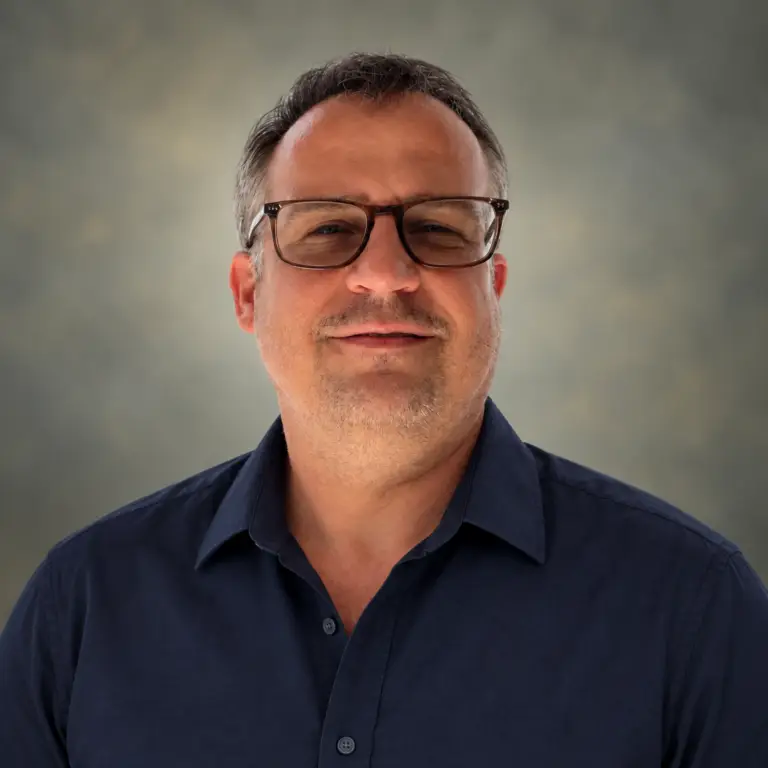
Mike
Founder and Partner • Senior Indoor Environmental Professional • Licensed Mold Assessment Consultant and Mold Remediation Contractor
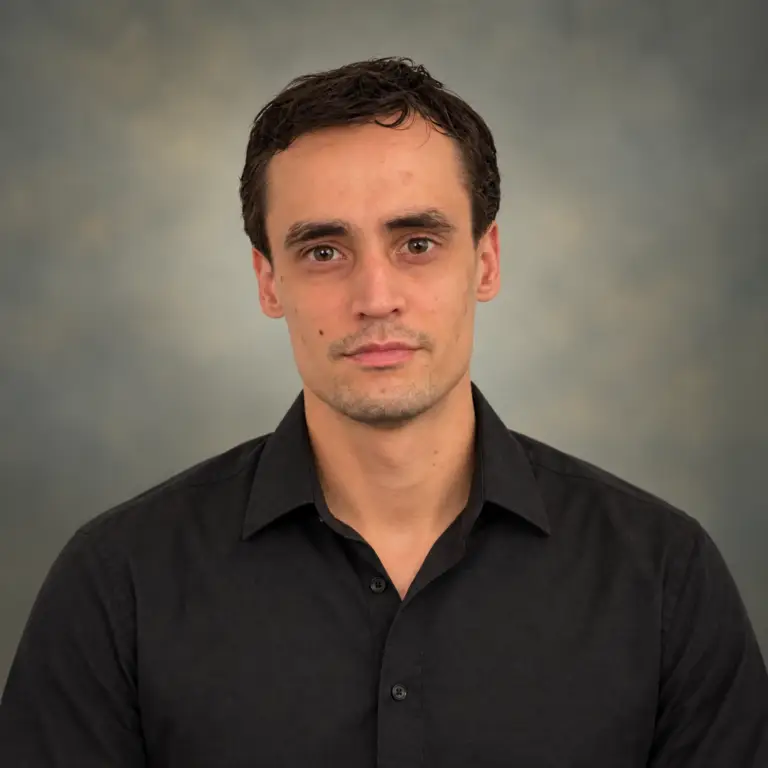
Jonathan
Indoor Environmental Professional • Licensed Mold Assessment Consultant and Mold Remediation Contractor
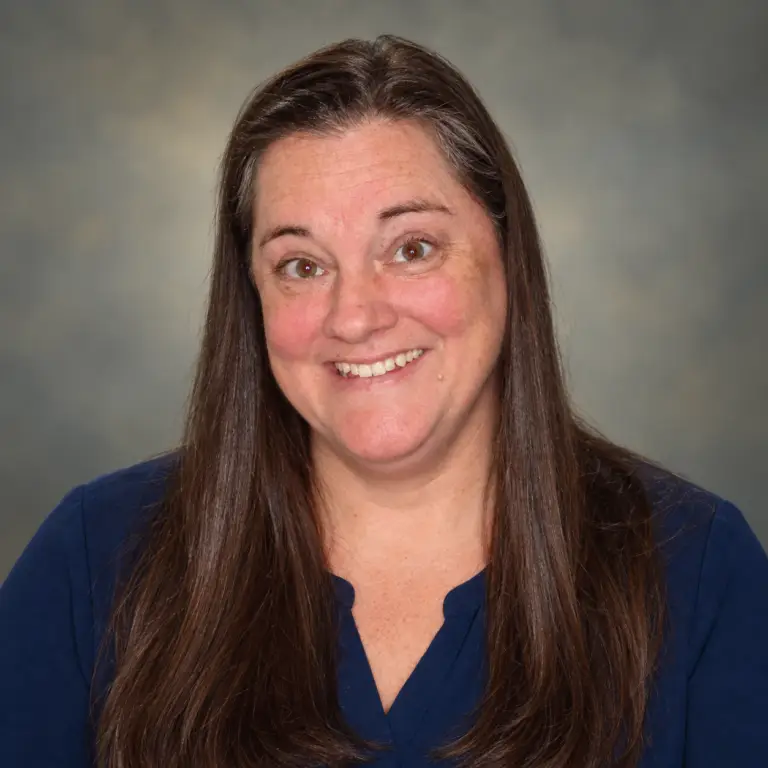
Brooke
Partner • Customer Coordination and Air Traffic Control
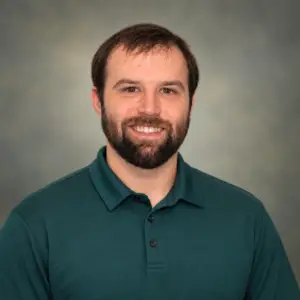
Thomas
Indoor Environmental Professional • Licensed Mold Assessment Technician

Perry
Adorable Mascot • Squirrel Chaser
WHAT CLIENTS CAN EXPECT
Professional rigor without losing the human connection.
The work may involve technical evidence, but the experience should remain understandable, respectful, and useful.
No pressure to over-test
We explain when additional information would change the decision—and when it probably would not.
No hidden uncertainty
Limitations and unresolved questions are documented instead of being buried beneath confident language.
No handoff without context
Reports are explained in practical terms so clients understand the priorities and the reasoning behind them.
Credentials support the work; judgment and communication make them useful.
Ask us for the individual and company license details relevant to your proposed service, and verify current status with the Texas Department of Licensing and Regulation. Holding assessment and remediation credentials does not permit both roles on the same project.
LET’S DEFINE THE RIGHT FIRST STEP
Bring us the concern—not a preselected test.
We will listen, clarify the environmental question, and help identify the most useful next action.